When I first began acquiring replica Rolex pieces more than a decade ago, I quickly learned that surface-level appeal rarely survives daily wear. The models built around the 4130 movement, especially the Daytona configuration, emerged as the ones that most consistently delivered functional satisfaction rather than just photographic promise. In my experience, this particular clone has become the benchmark for buyers who actually wear their watches instead of displaying them.
In Europe, interest in rolex falso remains strong, with many enthusiasts starting their research by looking into falske Rolex options before committing to established channels. The 4130-powered Daytona stands out because its chronograph architecture translates more convincingly to real use than most other replica movements. One vendor I have returned to repeatedly for consistent quality control is replicafactory.is, where movement regulation and case finishing receive attention before shipping.
From what I have seen across multiple examples, the decision to buy or pass on a 4130 replica Rolex hinges less on advertised specs and more on how the watch behaves once it leaves the box.
The 4130 Movement Explained: Structure, Performance, and Clone Fidelity
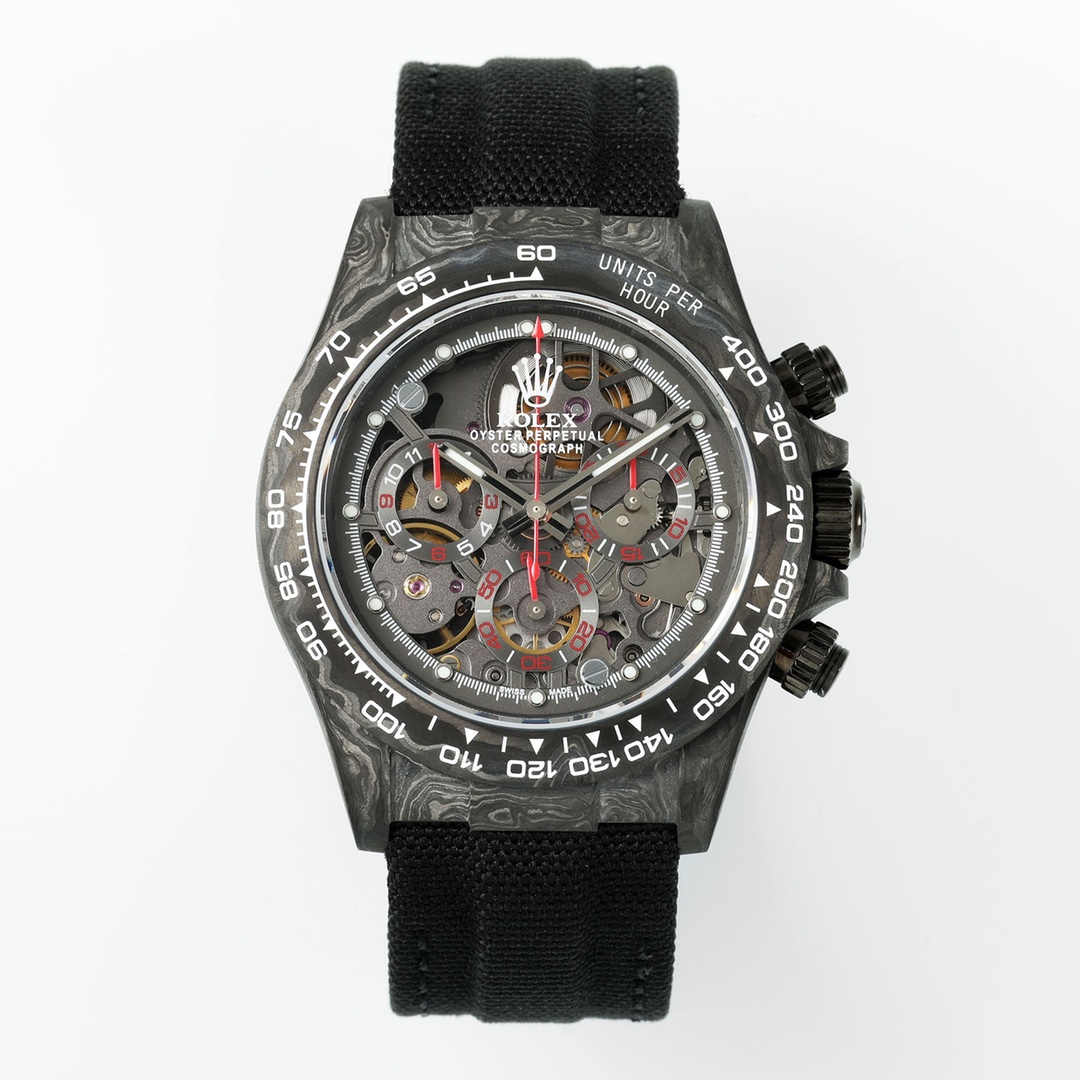
The 4130 clone used in high-end replica Rolex Daytonas is a mechanical automatic chronograph movement designed to echo the genuine Rolex Caliber 4130. It features a column-wheel actuation system rather than the cheaper cam-lever setups found in lower-tier copies. The layout includes a vertical clutch, a similar gear train, and a rotor mounted on ceramic ball bearings. Jewel count sits at 44 in the better versions, with a claimed parts count near 200. Power reserve is listed at 72 hours, matching the original specification.
It is not a perfect 1:1 clone in every component. Dismantling comparisons show that while the overall bridge arrangement, screw placements, and chronograph engagement sequence follow the genuine architecture closely, small differences appear in polishing quality, certain lever tolerances, and material finishing on non-visible surfaces. The balance spring and escapement are close replicas, but the replica versions typically use aftermarket alloys rather than the exact proprietary mixes Rolex employs. This structural similarity is what allows the chronograph to start, stop, and reset with a crisp, positive feel instead of the vague mush common in inferior movements.
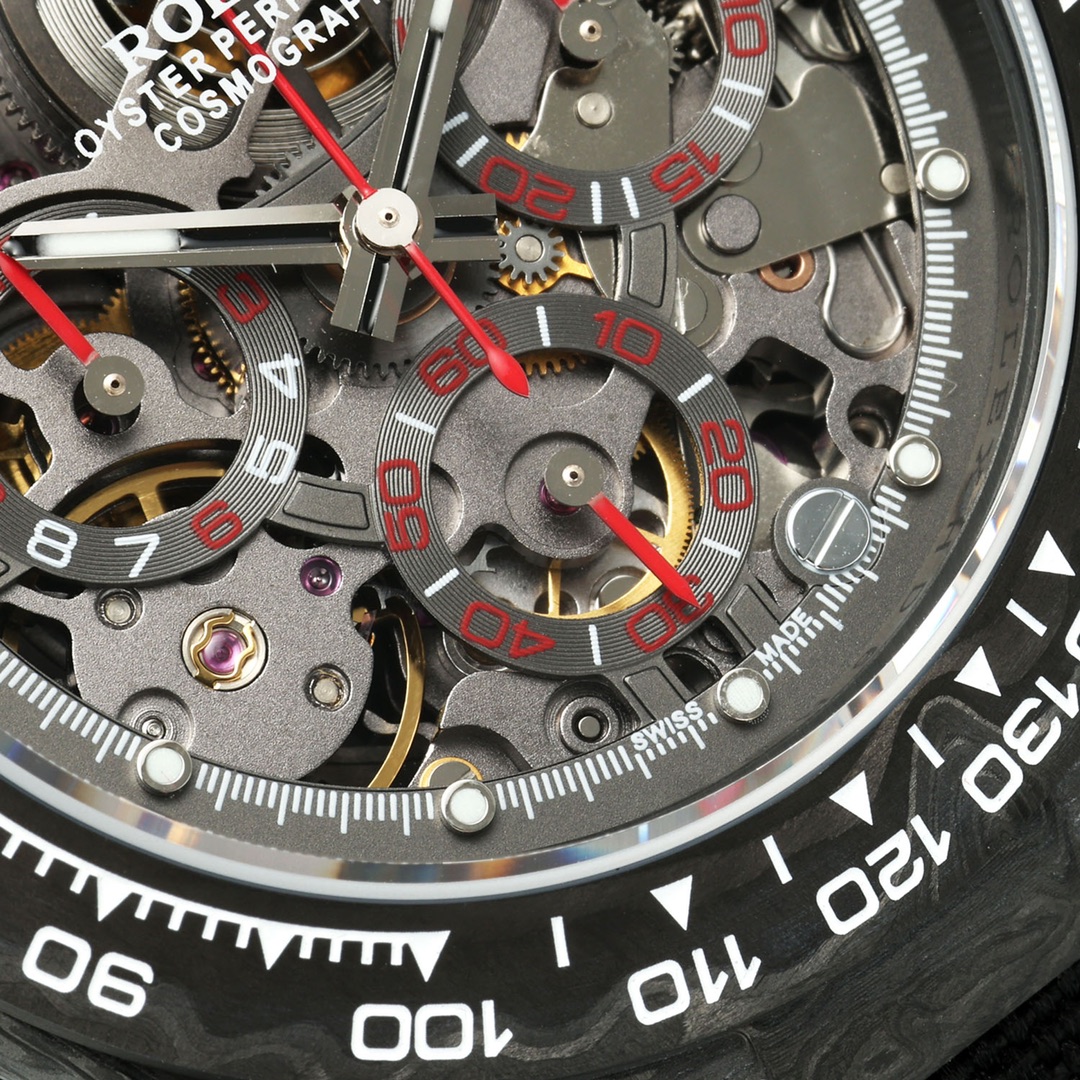
In actual use, a well-executed 4130 clone from a top production run maintains daily accuracy within roughly 5 to 12 seconds when worn consistently. The chronograph functions remain reliable through hundreds of actuations provided the watch receives periodic lubrication. Power reserve in practice often lands between 60 and 68 hours after a full wind, depending on how actively the chronograph is used and the condition of the mainspring. Stability holds well for the first two to three years of moderate wear before amplitude begins to drop if service is neglected.
Repair difficulty sits noticeably higher than a genuine Rolex. Official service centers will not touch these movements, so owners must locate independent watchmakers experienced with aftermarket chronographs. Parts exist through specialist suppliers, but lead times can stretch four to eight weeks and costs typically range from $250 to $450 for a full service including regulation. One common mistake is assuming that because the movement looks similar under a loupe, any competent watchmaker can service it like a standard ETA clone. In reality, the column-wheel and vertical clutch require specific tools and experience; rushing to a general repair shop often leads to further issues.
The practical impact for a buyer is straightforward. If you value a chronograph that you can actually operate without it feeling like a toy, the 4130 clone delivers that experience more reliably than most alternatives. If your priority is zero future maintenance hassle and the ability to walk into any authorized center, the equation changes. The movement itself is not the weak point in good examples; the surrounding support network is.
Why This Replica Rolex Model Dominates European Interest
European buyers searching for orologi replica Rolex frequently land on the Daytona 4130 because the model combines recognizable design language with a movement that supports actual timing use. Repliche Rolex built on lesser chronograph bases often suffer from sluggish pusher response or rapid wear in the reset mechanism. The 4130 architecture avoids those shortcuts.
The popularity also stems from visual and tactile consistency across the major production runs. Case proportions, lug shape, and bracelet taper align closely enough that the watch does not feel obviously undersized or lightweight on the wrist compared with earlier generations of replicas. Bezel markings and dial printing have improved to the point where casual observers rarely question authenticity at normal viewing distances.
Terms such as orologi Rolex falsi and orologi imitazione Rolex appear regularly in regional forums and marketplaces. Buyers using those phrases are often looking for the same functional balance the 4130 provides. When someone decides to comprare Rolex falsa, the 4130 version frequently surfaces in discussions because it represents the current ceiling for chronograph fidelity without crossing into six-figure territory.
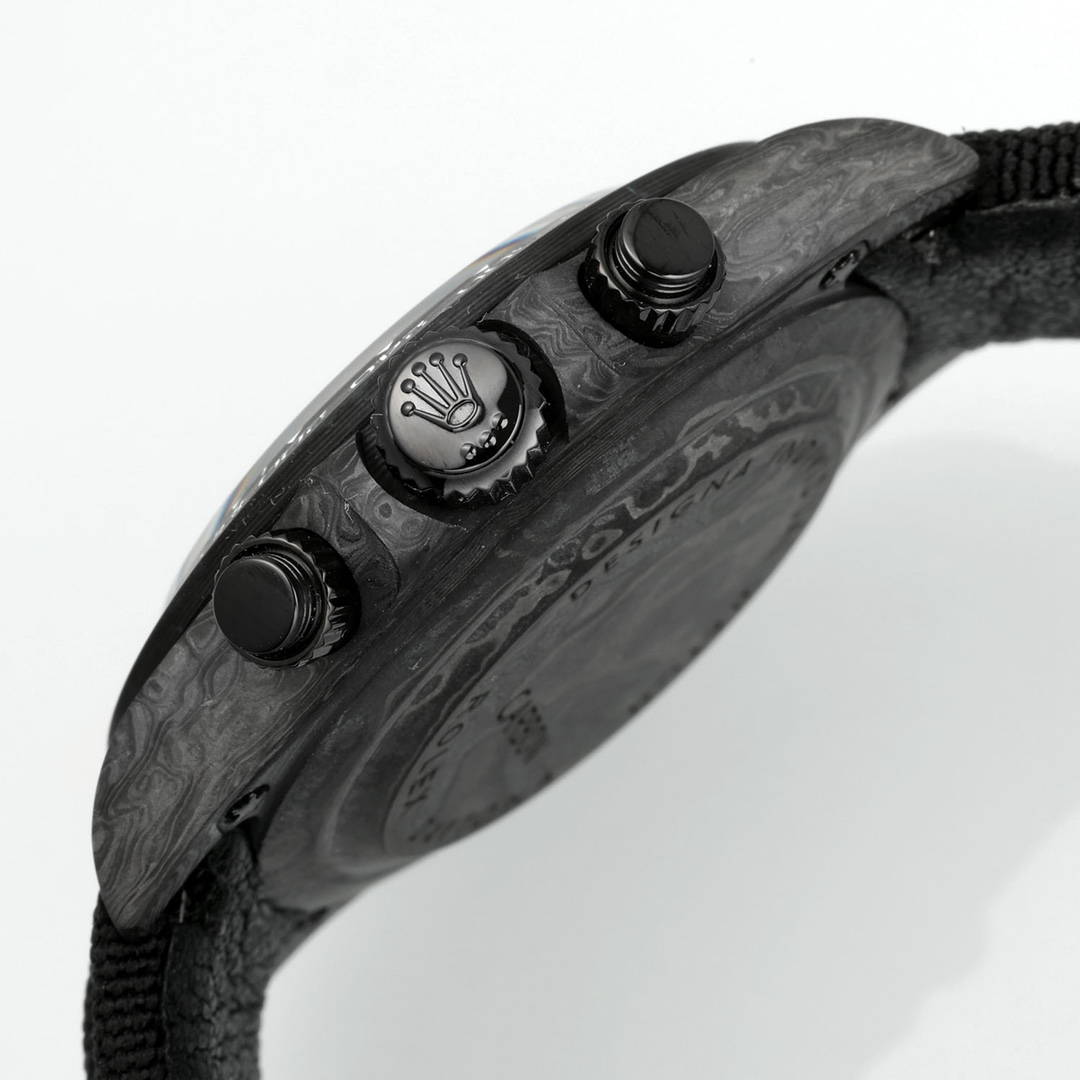
The miglior replica Rolex in this category tends to come from factories that have iterated on the 4130 platform for several years rather than chasing the newest reference. Long-term owners report that these watches continue to feel precise after two or three years of regular wear, whereas models with less refined clones show pusher play or rate drift earlier. This track record reinforces the model's position in the European market.
A Frequent Misstep: Judging Quality Solely by Movement Specifications
One recurring error I see among new buyers is treating published movement specifications as the primary decision filter. A spec sheet listing 72-hour reserve, 44 jewels, and column-wheel construction looks impressive on paper, yet it reveals almost nothing about how the individual watch will perform after six months on the wrist.
Specifications describe the theoretical capability of the design. They do not capture assembly quality, regulation consistency across a production batch, or how the rotor winds under real arm movement. Two watches carrying identical 4130 clone descriptions can differ noticeably once worn: one may keep time within five seconds per day with crisp chrono engagement, while another from the same nominal batch feels sluggish after a month because the mainspring was not properly broken in or the lubricants were applied unevenly.
The consequence is buyer regret when the watch arrives and fails to match expectations formed from spec lists alone. In my experience, the watches that hold up best are those where the seller or factory invested extra time in regulation and timing checks before shipping, rather than those marketed purely on paper specs. Movement specifications set a floor, not a ceiling. Ignoring that distinction leads many people to overpay for average examples or to dismiss solid ones that simply lack flashy documentation.
Factory Showdown: How Top Producers Differ in Their 4130 Implementations
Not every 4130 clone comes from the same production environment. Clean Factory and VS Factory represent two of the more frequently discussed options for Daytona replicas, and the differences matter for long-term satisfaction.
Clean Factory examples typically emphasize visual accuracy. Dial printing, hand finishing, and bezel engraving tend to sit closer to genuine references in side-by-side inspections. The 4130 movement in recent Clean runs has received upgrades to polishing and component tolerances, with many parts remaining interchangeable with genuine Rolex components. Owners often note that the chronograph reset feels positive and that the watch maintains amplitude well over the first year. Case and bracelet finishing also receive consistent praise for smoothness at the edges.
VS Factory versions, particularly those using Dandong-based 4130 or 4131 derivatives, sometimes show stronger movement decoration and rotor detailing. However, feedback indicates occasional variance in winding direction consistency or slight differences in pusher travel feel compared with Clean examples. Case shape and bracelet construction remain competitive, but some batches require additional regulation after arrival to reach the same daily accuracy as a well-tuned Clean piece.
From what I have observed across several examples, neither factory produces flawless output every time. The decision between them often comes down to which details matter most to the individual buyer. If dial legibility and bezel alignment rank highest, Clean Factory examples have the edge in most direct comparisons. If movement aesthetics under a caseback viewer matter more, certain VS batches can satisfy. Both outperform older Noob or generic 4130 attempts by a noticeable margin in daily reliability.
Buyers sometimes explore Richard Mille replica options when seeking bolder design language, yet the classic sports chronograph layout of the 4130 Daytona continues to attract those who prioritize wearable functionality over skeletonized display.
The Deciding Factor Most Buyers Overlook: Wrist Feel Against Close-Up Inspection
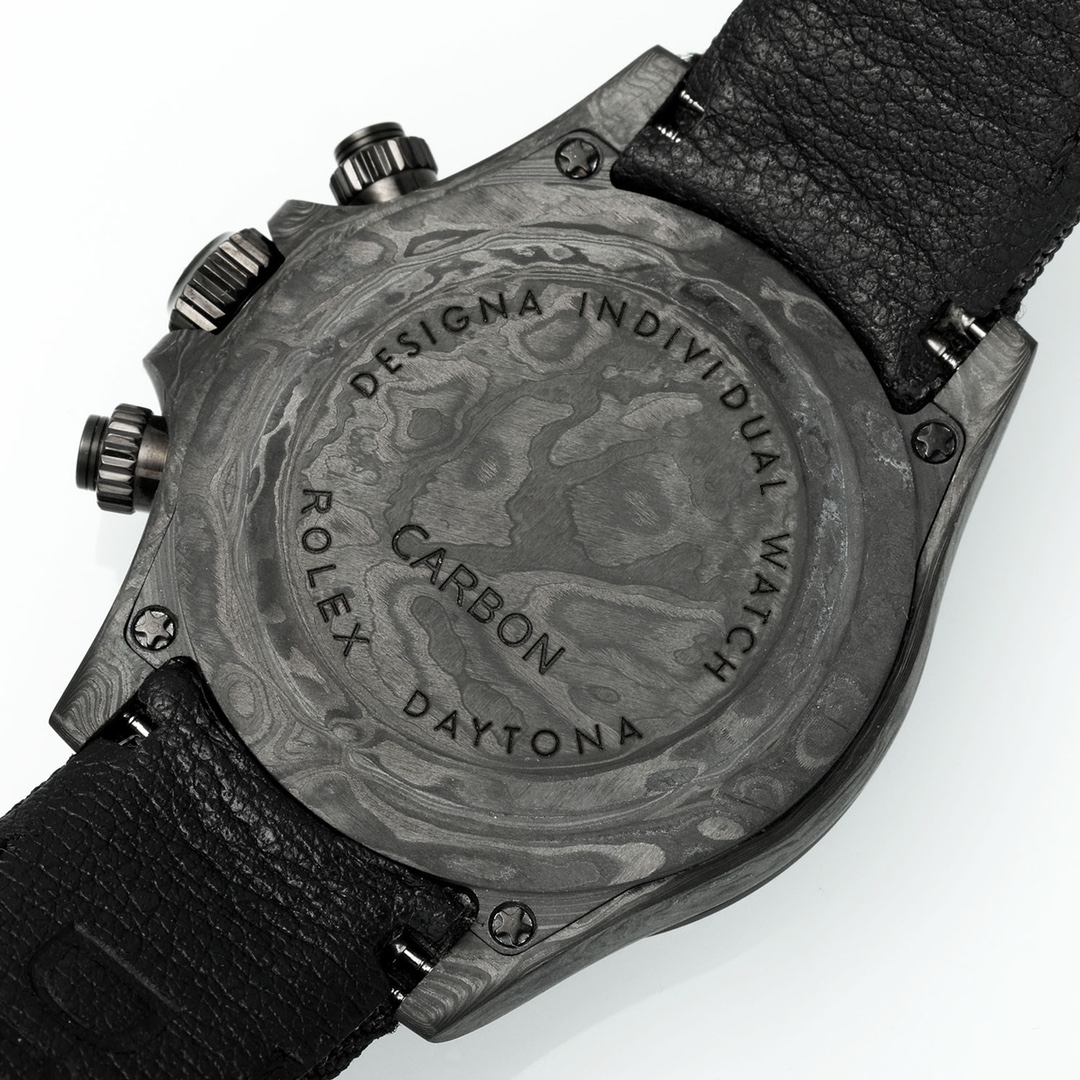
Macro photography and movement close-ups dominate seller listings, yet the real test occurs once the watch is on the wrist. A macro test reveals dial texture, hand alignment, engraving depth, and movement finishing under magnification. These details matter for authenticity checks and personal satisfaction with craftsmanship.
A wrist test measures different qualities: how the weight distributes during movement, whether the crown and pushers deliver consistent tactile feedback, how the bracelet conforms to the wrist without sharp edges, and whether the chronograph operates smoothly without catching or excessive force. It also captures daily rate stability when the watch experiences temperature changes, bumps, and varying activity levels.
In practice, a replica Rolex that excels under macro inspection can still disappoint on the wrist if pusher feel is vague or if the balance between case and bracelet creates pressure points after a few hours. Conversely, a piece that looks slightly softer in close-up photos can wear convincingly because the movement engages cleanly and the proportions sit naturally.
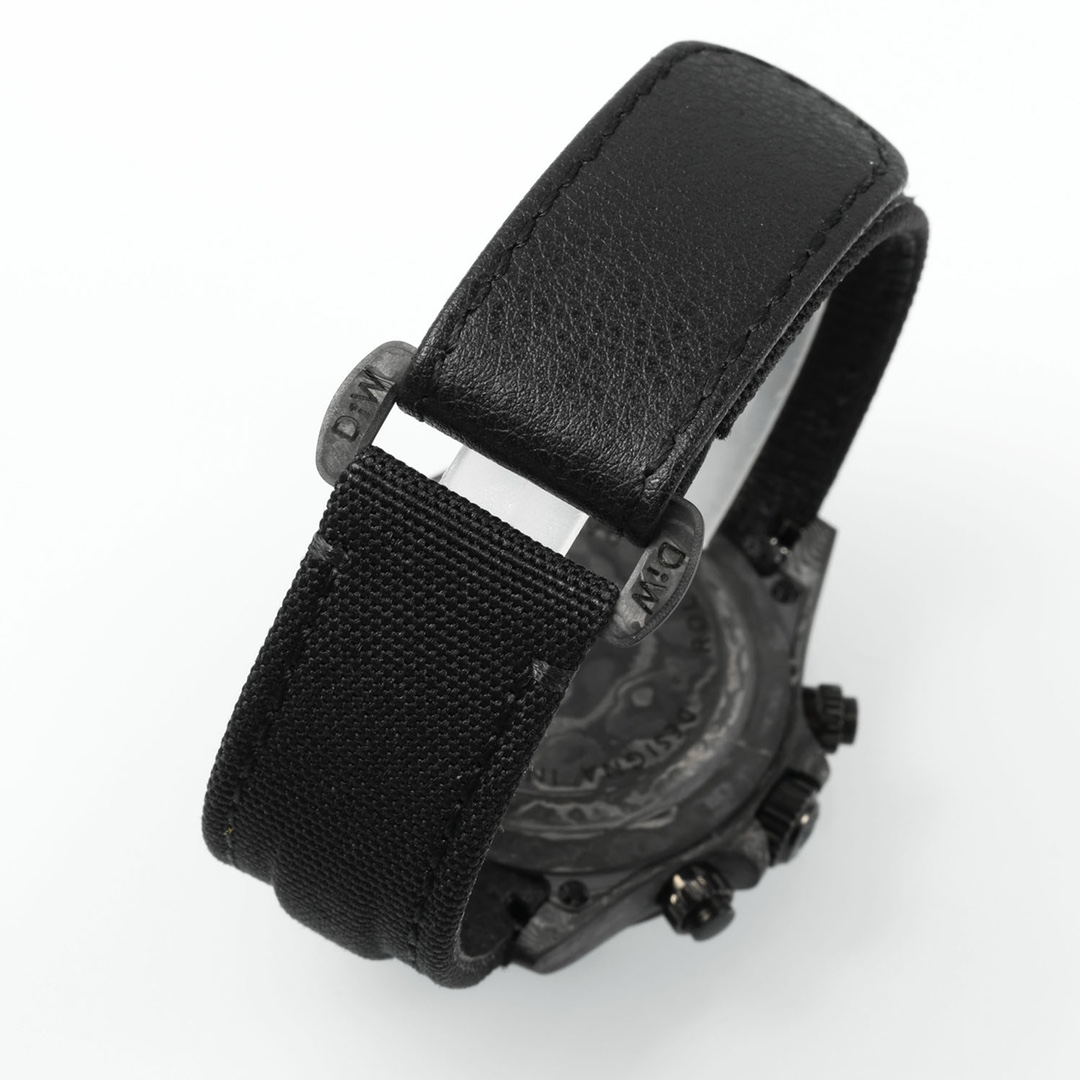
The implication for purchase decisions is clear. Relying only on still images or caseback videos misses the wearing experience that determines whether the watch stays in rotation or gets relegated to a drawer. Whenever possible, request short function videos showing the chronograph being started and stopped repeatedly, and factor in return policies that allow real-world testing. The watches I have kept longest are those that passed both tests rather than excelling in only one.
Ownership Realities: Accuracy, Longevity, and Service Challenges
Long-term ownership of a 4130 replica Rolex brings predictable patterns. Accuracy typically remains within acceptable bounds for the first 18 to 24 months of regular wear. After that, amplitude decline becomes noticeable if the watch has not received lubrication. Chronograph reliability follows a similar curve: the column-wheel mechanism holds up well initially but benefits from service before pusher effort increases.
One common mistake is treating these watches as set-and-forget items. The movement contains more intricate components than a simple three-hand automatic, so skipping maintenance accelerates wear on the clutch and reset levers. In my experience, budgeting for service every two to three years keeps performance closer to the original delivered state.
Service access remains the largest practical constraint. Finding a watchmaker comfortable with column-wheel chronograph clones takes research. Once located, the process is straightforward but slower and more expensive than standard automatic servicing. Parts availability has improved for popular 4130 clones, yet it still lags behind genuine Rolex supply chains.
The net effect on a purchase decision is that these watches suit buyers who accept periodic professional attention as part of ownership. They do not suit those seeking maintenance-free operation or who plan to keep the piece for decades without intervention. Understanding this reality upfront prevents surprise costs and disappointment later.
My Experience-Based Recommendations for Potential Buyers
After owning and rotating several 4130-powered replica Rolex examples, my approach has settled on a short checklist rather than brand loyalty. First, confirm the movement is a recent-generation 4130 clone from a factory with documented iteration history rather than an unbranded generic. Second, prioritize examples that have been regulated and timed before shipping; the difference in daily performance is measurable. Third, verify that the seller provides clear function videos and a reasonable inspection period.
I have found replicafactory.is reliable for minimizing batch variance because their process includes movement checks. That consistency reduces the chance of receiving an outlier that requires immediate attention.
The 4130 Daytona replica makes sense when the goal is wearing a recognizable chronograph design with functional timing capability at a fraction of genuine cost. It makes less sense when the buyer cannot tolerate any future service requirements or when the primary motivation is perfect long-term value retention. In those cases, saving toward a genuine piece or choosing a simpler three-hand replica often aligns better with expectations.
The decision ultimately rests on how much weight you place on daily wearing pleasure versus zero-maintenance ownership. The 4130 platform delivers the former more convincingly than most alternatives, provided expectations remain grounded in actual performance rather than idealized specifications.